
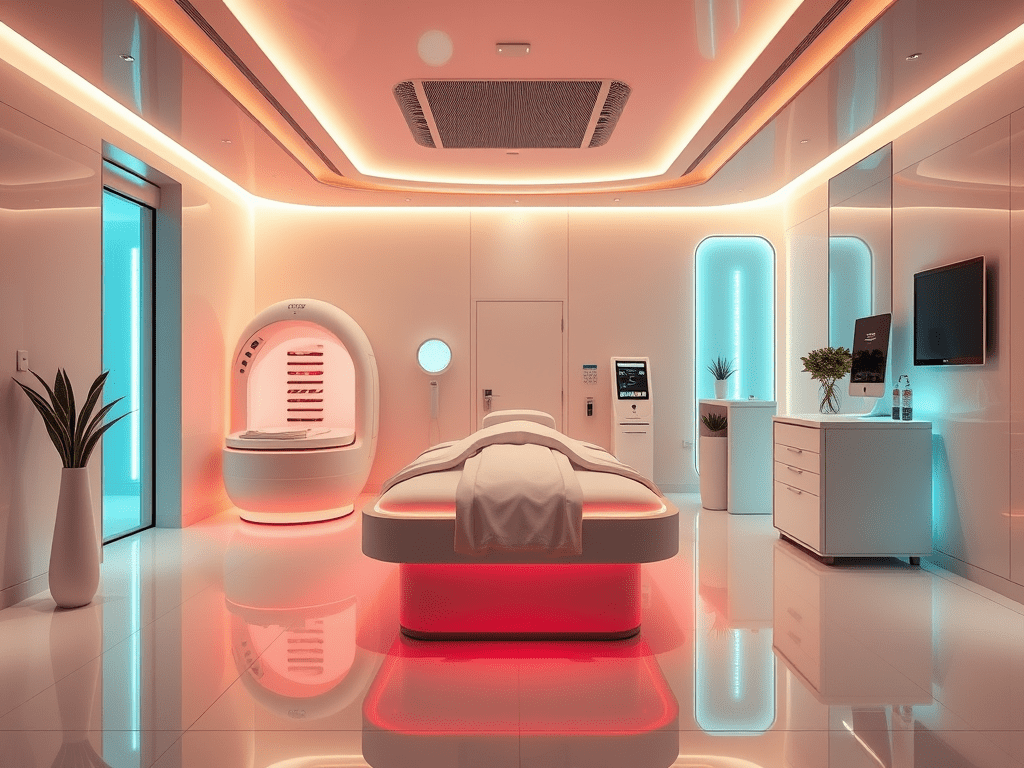
In 2025, a groundbreaking trend is reshaping the wellness landscape: longevity rooms. These specialized spaces, designed to promote healthspan—the period of life spent in good health—are becoming a hallmark of luxury living. Equipped with advanced technologies like hyperbaric oxygen chambers, red-light therapy beds, and NAD+ IV treatments, longevity rooms aim to optimize physical and mental well-being.
What Are Longevity Rooms?
Longevity rooms are private, high-tech wellness spaces integrated into homes or luxury developments. They offer treatments that support cellular repair, improve circulation, and enhance overall vitality. These rooms cater to individuals seeking to extend their healthy years and maintain peak performance as they age.
Why the Surge in Popularity?
The growing interest in longevity rooms reflects a broader cultural shift towards proactive health management. As people become more health-conscious, there’s a rising demand for personalized wellness solutions that go beyond traditional healthcare. Longevity rooms provide an accessible way to incorporate cutting-edge therapies into daily life.
Key Features of Longevity Rooms
- Hyperbaric Oxygen Therapy (HBOT): Hyperbaric oxygen therapy is one of the cornerstone treatments in longevity rooms. This therapy involves breathing pure oxygen in a pressurized environment, which is believed to promote healing, increase energy levels, and improve cognitive function. It has also been linked to reduced inflammation and increased circulation.
- Red-Light Therapy: Red-light therapy uses low wavelengths of red light to stimulate cellular regeneration and collagen production. It has been shown to reduce signs of aging, improve skin health, and alleviate joint pain, making it a staple in longevity rooms.
- NAD+ IV Infusions: Nicotinamide adenine dinucleotide (NAD+) is a coenzyme found in every cell of the body and plays a critical role in energy production and DNA repair. IV infusions of NAD+ are believed to support anti-aging, improve mental clarity, and restore energy levels.
- Infrared Saunas: These saunas use infrared light to penetrate the skin, promoting detoxification, improving circulation, and enhancing overall relaxation. Infrared saunas are widely recognized for their ability to support cardiovascular health and boost metabolism.
The Science Behind Longevity Rooms
Research has shown that these therapies, when combined, can have a significant impact on health. Studies on hyperbaric oxygen therapy, for instance, have found that it can help promote tissue regeneration, which may slow down the effects of aging (Boussi-Gross et al., 2013). Red-light therapy has also been studied for its potential in improving skin elasticity and treating musculoskeletal pain (Leal et al., 2016). NAD+ supplementation has been linked to longevity in animal models, with promising signs for human trials as well (Imai & Yoshino, 2013).
Why Longevity Rooms Matter
The rise of longevity rooms signals a shift in wellness—from reactive to proactive health management. Instead of waiting to treat illnesses as they arise, people are investing in strategies to preserve their health as they age. By combining modern science with holistic therapies, longevity rooms provide a comprehensive solution to enhancing well-being and extending healthy years.
The Bottom Line
As we move deeper into 2025, longevity rooms are set to become a staple in wellness communities, offering cutting-edge treatments in the comfort of home. For those looking to take charge of their health and maintain vitality as they age, these rooms provide a space for rejuvenation and optimal well-being.
References
- Boussi-Gross, R., Golan, H., Karni, N., & Bechor, Y. (2013). Hyperbaric oxygen therapy can improve post concussion syndrome years after mild traumatic brain injury—a randomized prospective trial. PLOS One, 8(11), e79995
- Leal, M. D. M., Santos, M. L. S., & Almeida, L. M. (2016). Red light therapy for skin rejuvenation: A systematic review of clinical trials. Journal of Dermatological Treatment, 27(2), 136-143
- Imai, S. I., & Yoshino, J. (2013). The NAD+ World and the Aging Process. Cell, 153(3), 610-616
 VIVANT BLOOM