
Polycystic Ovary Syndrome (PCOS) affects an estimated 8–13% of women of reproductive age worldwide, and yet, many women continue to face challenges in managing its symptoms, especially those related to blood sugar regulation, weight gain, and digestive issues (Teede et al., 2018). While conventional treatment options like hormonal contraceptives, insulin-sensitising medications, and dietary adjustments are common, more women are turning to natural supplements to complement their management plans. One such supplement gaining popularity is psyllium husk.
What is Psyllium Husk?
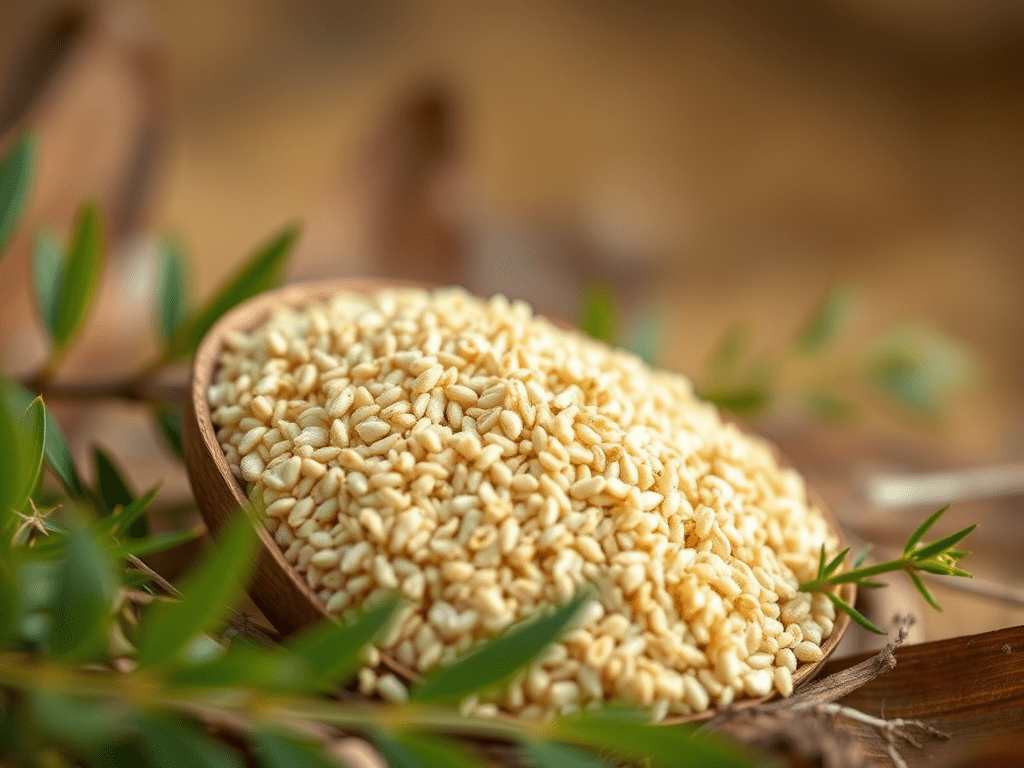
Psyllium husk is a form of soluble fibre derived from the seeds of the Plantago ovata plant. It’s widely known for its ability to relieve constipation and support digestive health, but its benefits go far beyond gut motility. Because psyllium forms a gel-like substance in the gut, it can help slow digestion and modulate blood glucose levels after meals.
How Psyllium Husk May Help Women with PCOS
1. Improved Insulin Sensitivity
Insulin resistance is a common feature of PCOS, affecting up to 70% of women with the condition (Dunaif, 1997). Psyllium husk can help stabilise blood sugar levels by slowing the absorption of glucose in the small intestine. Several studies have found that daily psyllium supplementation significantly improves glycaemic control and insulin sensitivity in both diabetic and non-diabetic individuals (Anderson et al., 2009).
By supporting better insulin regulation, psyllium may also help with secondary symptoms like irregular cycles, acne, and unwanted hair growth—symptoms commonly driven by insulin-induced androgen excess.
2. Weight Management
Weight gain and difficulty losing weight are common struggles for women with PCOS. Psyllium husk helps promote satiety due to its bulking effect in the stomach. In clinical trials, psyllium has been shown to reduce appetite and decrease caloric intake, which may support weight loss over time when combined with a balanced diet and exercise (Pal et al., 2011).
Even modest weight loss (5–10% of body weight) can help restore ovulatory cycles and reduce PCOS symptoms significantly (Moran et al., 2011).
3. Improved Lipid Profile
PCOS is often associated with dyslipidemia—elevated LDL cholesterol and triglycerides, and lower HDL levels. Psyllium has been shown to reduce LDL cholesterol and total cholesterol by binding bile acids in the intestine, leading the liver to use excess cholesterol to replace them (Brown et al., 1999). For women with PCOS, this can support cardiovascular health and reduce long-term risks.
4. Gut Health and Inflammation
Chronic inflammation and poor gut health are increasingly recognised as underlying factors in PCOS. Psyllium acts as a prebiotic, feeding beneficial gut bacteria, which in turn may help reduce systemic inflammation and support hormone balance (Slavin, 2013).
How to Take Psyllium Husk
- Dosage: Most studies suggest 5–10 grams of psyllium per day, usually taken before meals.
- Form: Available as powder, capsules, or mixed into fibre supplements.
- Hydration is key: Always take psyllium with plenty of water to avoid gastrointestinal discomfort or blockages.
Considerations and Cautions
- Psyllium may interfere with the absorption of some medications—take it at least one hour before or two hours after other drugs.
- It can cause bloating or gas in some individuals when starting out; begin with a lower dose and gradually increase.
- Always check with your healthcare provider before starting a new supplement, especially if you’re on medication for blood sugar or cholesterol.
Final Thoughts
Psyllium husk is a simple, natural supplement that can offer multiple benefits for women managing PCOS—from improving insulin sensitivity and lipid profiles to supporting weight loss and gut health. While it’s not a cure-all, when paired with lifestyle changes and medical support, it can be a valuable ally in your wellness journey.
Disclaimer: This blog is for educational purposes only and is not a substitute for professional medical advice, diagnosis, or treatment. Always consult your doctor or a qualified health provider with any questions you may have regarding a medical condition or supplement regimen.
References
- Anderson, J.W., Allgood, L.D., Lawrence, A. et al. (2009). Cholesterol-lowering effects of psyllium intake adjunctive to diet therapy in men and women with hypercholesterolemia: meta-analysis of 8 controlled trials. American Journal of Clinical Nutrition, 89(1), 34–38.
- Brown, L., Rosner, B., Willett, W.W., & Sacks, F.M. (1999). Cholesterol-lowering effects of dietary fiber: a meta-analysis. American Journal of Clinical Nutrition, 69(1), 30–42.
- Dunaif, A. (1997). Insulin resistance and the polycystic ovary syndrome: mechanism and implications for pathogenesis. Endocrine Reviews, 18(6), 774–800.
- Moran, L.J., Hutchison, S.K., Norman, R.J., & Teede, H.J. (2011). Lifestyle changes in women with polycystic ovary syndrome. Cochrane Database of Systematic Reviews, 2011(7).
- Pal, S., Khossousi, A., Binns, C., Dhaliwal, S., & Ellis, V. (2011). The effects of consuming psyllium-enriched cereal on body weight, lipids, glucose and insulin in overweight and obese individuals: a randomized controlled trial. Nutrition Journal, 10, 17.
- Slavin, J. (2013). Fiber and prebiotics: mechanisms and health benefits. Nutrients, 5(4), 1417–1435.
- Teede, H., Misso, M., Costello, M., et al. (2018). Recommendations from the international evidence-based guideline for the assessment and management of polycystic ovary syndrome. Human Reproduction, 33(9), 1602–1618.
 VIVANT BLOOM